
If you or a loved one has been diagnosed with advanced melanoma, you may feel anxious or worried, which is completely natural. There's a sea of information to take in, decisions to make, and you may feel overwhelmed with the amount of new medical words being thrown your way.
On this hub, you can watch videos featuring Dr Ricky Frazer, a cancer doctor. He will walk you through what advanced melanoma is, what to expect if you have been diagnosed, and how it is assessed and treated.

Advanced melanoma: what should I expect?
A diagnosis of advanced melanoma can be overwhelming, and difficult for both you and your loved ones to come to terms with. You may have many questions – like what's going to happen next, or how it may impact your life. Find out more in this video.

What is BRAF in melanoma?
What's BRAF in melanoma, and why does it matter? In this video, find out why genetic testing is conducted on your melanoma cells and how it may affect your treatment options.

Understanding my diagnosis
Find out what advanced melanoma is and how it is generally managed.

Treatment options for advanced melanoma
Deciding on treatment for advanced melanoma can be difficult, particularly as you may have so much on your mind already. Dr Ricky Frazer provides a short overview of the different options in this video. Always talk to your care team for individualised support and personal medical advice.
This content has been developed and fully funded by Bristol Myers Squibb. Created in collaboration with patients, healthcare professionals and melanoma charities.
If you or your loved one is preparing to have immunotherapy for advanced melanoma, you may feel nervous, which is completely natural. You may feel worried about whether it will work, anxious what side effects will be like and overwhelmed with what comes next.
On this hub, you can watch videos featuring Dr Ricky Frazer, a cancer doctor. He will walk you through what immunotherapy is, what to expect on the day you receive it, as well as possible side effects to be aware of and common concerns when finishing the treatment.

Starting an immunotherapy
Immunotherapy with checkpoint inhibitors helps your immune system fight the cancer and aims to slow tumour growth, maintain your quality of life, and keep the cancer from spreading. Find out more about what to expect from your treatment in this video.
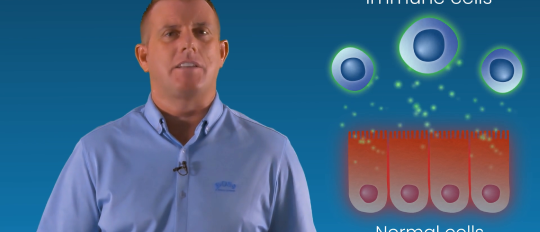
Side effects of immunotherapy
If you’re starting treatment for advanced melanoma, it’s important that you’re aware of the potential side effects to look out for, how to report them and how they can be managed. Find out more in this video.
Finishing an immunotherapy
Finishing your treatment can be overwhelming, and it’s natural to feel both relieved and anxious about the future. Your care team will still look after you after you’ve finished treatment. Find out more, including what help is available, in this video.
This content has been developed and fully funded by Bristol Myers Squibb. Created in collaboration with patients, healthcare professionals and melanoma charities.
You may have questions about your condition, how it may affect your work, relationships, financial situation, or you may be interested in exploring treatment options, including immunotherapies, or you even may want to learn more about other topics, like taking part in clinical trials or advance care planning. There are a number of charity websites that can provide further information, as well as community support and helplines:
- Melanoma UK
- Melanoma Focus
- Cancer Research UK
- Macmillan Cancer Support UK
You can access these sites online, or ask your cancer care team for more information. Please note that Bristol Myers Squibb has no control over the content on these websites.
Starting treatment for cancer can be daunting, and you may feel you have little control. But there are things you can do before you start therapy to look after your health. This is called prehabilitation, or prehab.

What is Prehabilitation?
Starting treatment for cancer can be daunting, and you may feel you have little control. But there are things you can do before you start therapy, such as making small changes to your everyday life to look after your health and get ready for cancer treatment. This is called prehabilitation, or prehab. Find out more in this video.
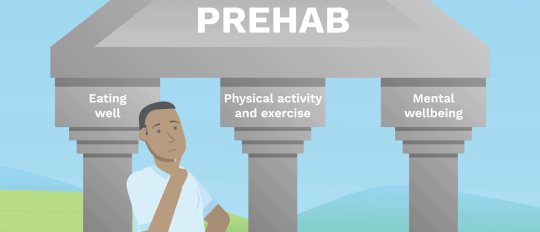
Living well: Physical activity and exercise
Physical activity and exercise are an important component of prehab. Staying active can help you take some control of your journey with cancer. In most people with cancer, any extra activity above what you currently do, including housework, gardening and walking to the shop, is a good thing. Find out more in this video.
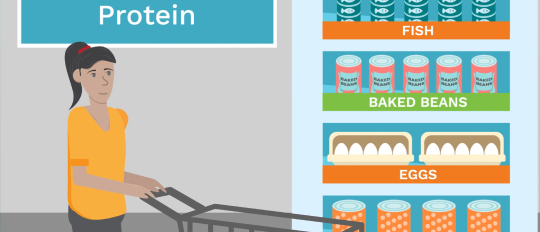
Living well: Eating well
Healthy eating is an important component of prehab. You have the power to take some control of your journey with cancer by eating well before, during and after treatment. Find out how small changes to what you eat can make a big difference to how you feel over time in this video.
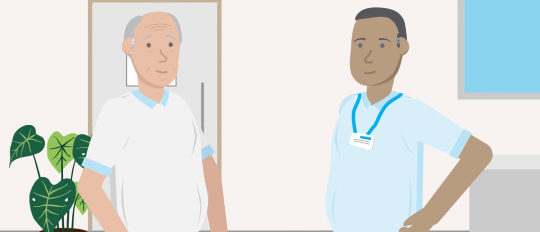
Living well: Mental wellbeing
Taking care of your mental wellbeing is an important component of prehab. Looking after your mental health can help you take some control of your journey with cancer. Find out more about different types of support available in this video.
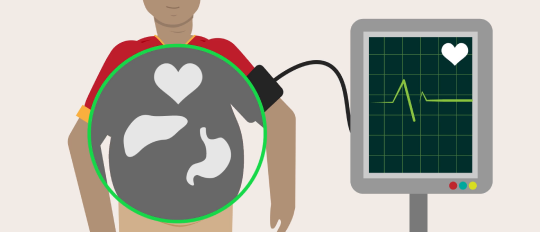
Living well: Alcohol Moderation
Drinking alcohol in moderation is an important component of prehab. If you have cancer, it’s best to avoid alcohol as much as possible, and it can help you take some control over your health. Cutting down on alcohol can also help you get in the best possible shape as you prepare for cancer treatment. Find out more in this video.

Living well: Stopping Smoking
Stopping smoking is an important component in prehabilitation. If you have cancer, it’s best to try and give up smoking. Taking steps such as cutting down or giving up smoking can help you take some control over your health. Find out more in this video.
This patient video has been organised and fully funded by Bristol Myers Squibb under a collaborative initiative with Macmillan Cancer Support, whose advice in helping to develop the content of this video including engagement with people with lived experience of cancer is hereby acknowledged.
You may have questions about your condition, how it may affect your work, relationships, financial situation, treatment options, including immunotherapies, or you may want to learn more about other topics, like taking part in clinical trials or advance care planning. There are several charity sites that can provide this support, as well as community support and helplines:
- Cancer Research UK
- Macmillan Cancer Support UK
You can access these sites online, or ask your care team for more information. Please note that Bristol Myers Squibb has no control over the content on these sites.
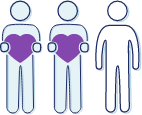
~2 out of 3 people taking CAMZYOS
had their symptoms improve
What the data showed: Of those taking CAMZYOS, 65% (80/123) improved by one or more NYHA class compared with 31% (40/128) of those taking a placebo.
How was this measured? Symptom improvement was defined as a lower NYHA class at the end of the study.

Obstruction to blood flow within the heart decreased 4x more with CAMZYOS when compared with placebo
What the data showed: People who took CAMZYOS had an average decrease in their LVOT gradient of 47 mmHg (started at 86 mmHg and went down to 38 mmHg), and people who took a placebo had an average decrease of 10 mmHg (started at 84 mmHg and went down to 73 mmHg).<./span>
How was this measured? At the beginning and end of the study, the obstruction in people’s hearts was measured with an echocardiogram after they exercised. This was done to find out how much blood was able to pump out of the heart in millimeters of mercury, or mmHg. Doctors call this measurement the left ventricular outflow tract, or LVOT, gradient. A lower LVOT gradient means there is less obstruction in the heart.

3x greater improvement in symptom burden and physical limitations
What the data showed: From when they started the study to when it ended, people taking CAMZYOS reported an average change in score of +14, and those who took placebo reported an average change in score of +4. The average baseline score was 71 for patients starting the trial.
How was this measured? At the beginning and end of the study, the obstruction in people’s hearts was measured with an echocardiogram after they exercised. This was done to find out how much blood was able to pump out of the heart in millimeters of mercury, or mmHg. Doctors call this measurement the left ventricular outflow tract, or LVOT, gradient. A lower LVOT gradient means there is less obstruction in the heart.
~2 out of 3 people taking CAMZYOS
had their symptoms improve
What the data showed: Of those taking CAMZYOS, 65% (80/123) improved by one or more NYHA class compared with 31% (40/128) of those taking a placebo.
How was this measured? At the beginning and end of the study, the obstruction in people’s hearts was measured with an echocardiogram after they exercised. This was done to find out how much blood was able to pump out of the heart in millimeters of mercury, or mmHg. Doctors call this measurement the left ventricular outflow tract, or LVOT, gradient. A lower LVOT gradient means there is less obstruction in the heart.
What happens in Ph+ CML?
Watch this short video to learn more about what happens in your body when you have Ph+ CML.
